Claim Free Estimates on HVAC Projects

Unusual noises, rising energy bills, weak airflow, and frequent cycling signal a failing furnace. Uneven heating and yellow burner flames demand immediate attention. Jimmy Gusky Heating And Air, LLC, with over 30 years of experience serving Washington, DC, provides licensed inspections. Homeowners should schedule a professional assessment before winter temperatures drop further.
What Are Common Signs That Indicate My Furnace Is Malfunctioning?
A malfunctioning furnace rarely fails without warning. Homeowners and property managers in Washington, DC notice specific, recurring symptoms before a complete breakdown occurs. Cold air, weak airflow, unusual noises, rising energy bills, or inconsistent temperatures often signal that a system needs professional attention. Ignoring these indicators risks a total loss of heat during the region’s coldest months.
Why Does My Furnace Blow Cold Air Instead of Heat?
Cold air from the vents points to several possible failures. The burner may not be igniting. A tripped safety switch or a failing thermistor can also prevent heat generation. The issue sometimes traces to a clogged filter starving the system of airflow. Without prompt diagnosis, the problem escalates from a simple repair to a full system shutdown.
What Do Unusual Furnace Noises Mean?
Strange sounds serve as early mechanical warnings. A furnace that is not keeping up or acting strange could be more than a seasonal hiccup. Banging suggests delayed ignition or expanding ductwork. Screeching indicates a failing blower motor bearing. Rattling often means loose panels or internal components. Each noise corresponds to a specific wear pattern that worsens with continued operation.
Common furnace malfunction indicators include:
- Weak airflow from vents, signaling a failing blower or severe duct obstruction
- Rising energy bills without increased usage, pointing to efficiency loss
- Inconsistent temperatures across rooms, revealing distribution or zoning problems
- Frequent cycling on and off, often caused by a dirty sensor or overheating
Furnaces give early warnings before they quit entirely, and the trick is knowing how to spot them. A yellow pilot light instead of blue indicates incomplete combustion and possible carbon monoxide risk. Moisture pooling around the unit suggests a cracked heat exchanger or blocked condensate line. These symptoms demand immediate evaluation.
Property owners who notice any combination of these signs benefit from scheduling a professional inspection. Timely heating repair addresses small problems before they cascade into expensive failures. The company’s technicians diagnose the root cause and explain the next steps clearly. Delaying action turns a manageable repair into an emergency replacement during peak winter demand.
Is Your Furnace Making Strange Noises or Weak Airflow?
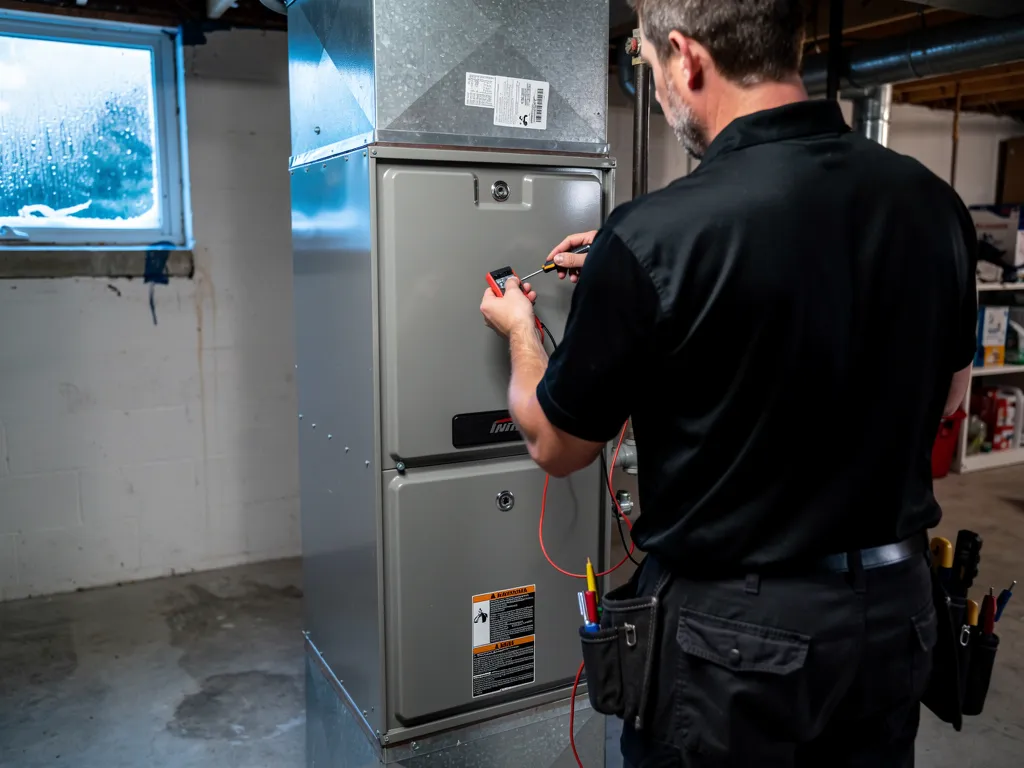
Strange noises and weak airflow are common signs that indicate a furnace is malfunctioning. Homeowners in Washington, DC should treat these symptoms as early warnings, not seasonal quirks. Ignoring them risks a complete heating failure during the coldest stretch of winter.
Jimmy Gusky Heating And Air, LLC provides trusted air conditioning, heating, and plumbing services throughout the Washington, DC region. The distinction matters: occasional sounds differ from persistent banging, rattling, or screeching. Weak airflow from vents signals restricted circulation or a failing blower component.
What Does Weak Airflow From My Vents Mean?
Weak airflow often points to a clogged filter, duct obstruction, or a blower motor losing power. Each cause reduces heated air delivery to living spaces. A professional inspection identifies the exact source before minor strain becomes major damage.
When Should Strange Furnace Noises Prompt a Service Call?
Strange noises warrant a service call when they grow louder, repeat frequently, or accompany uneven heating. Jimmy Gusky Heating And Air, LLC advises that cold air, weak airflow, unusual noises, rising energy bills, or inconsistent temperatures often signal that a system needs attention. The company’s team inspects the system and explains the next steps.
The following table summarizes the two warning categories:
| Symptom | What It Suggests | Recommended Action |
|---|---|---|
| Strange noises | Loose parts, failing motor, or airflow restriction | Schedule a professional inspection |
| Weak airflow | Clogged filter, duct issue, or blower decline | Check filter, then call for diagnosis |
Delaying action carries a real cost. A furnace struggling with airflow works harder, consumes more energy, and wears down faster. Property managers who wait for total failure face emergency replacement costs and unheated buildings. A prompt inspection from a licensed team prevents that outcome.
Are Rising Energy Bills a Warning Sign of Furnace Failure?
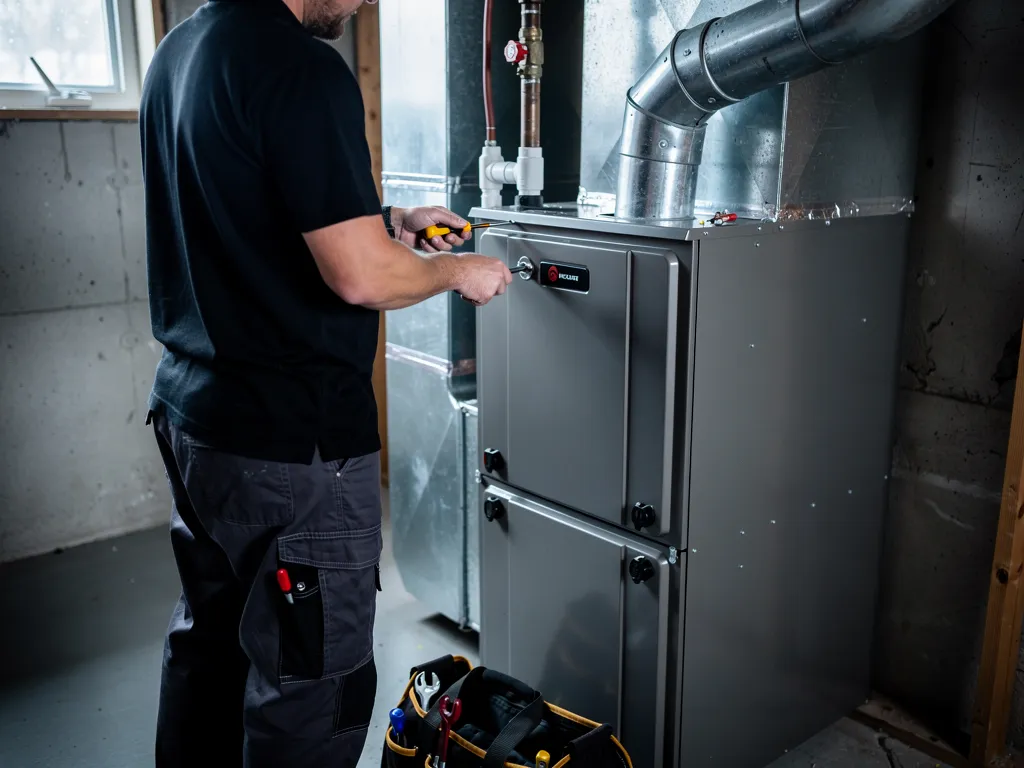
Rising energy bills often point directly to a furnace malfunctioning. A heating system that struggles to operate efficiently consumes more fuel or electricity to produce the same level of warmth. Homeowners who notice monthly utility costs climbing without a corresponding increase in usage should treat that spike as a serious diagnostic signal. Cold air, weak airflow, unusual noises, and inconsistent temperatures frequently accompany the financial warning. The team at Jimmy Gusky Heating And Air, LLC inspects systems showing these patterns and explains the next steps clearly.
Why Does a Failing Furnace Drive Up Utility Costs?
A furnace losing efficiency works harder and runs longer. Components wear down over time. Dirty filters restrict airflow. Burners lose calibration. Each problem forces the equipment to burn extra energy just to maintain the thermostat setting. The result shows up plainly on the monthly bill.
What Can Homeowners Do to Reverse Rising Heating Costs?
Scheduling a professional inspection identifies the root cause before expenses spiral further. Seasonal tune-ups help lower energy use and extend the life of the heating system. Regular service checks improve efficiency and reduce breakdowns, keeping equipment prepared for seasonal weather. Jimmy Gusky Heating And Air, LLC provides thorough diagnostics that catch small issues before they become expensive failures. The company’s licensed technicians deliver honest assessments and targeted repairs that restore proper performance. Ignoring the warning signs allows inefficiency to compound, turning a manageable repair into a complete system replacement.
How Often Should You Repair an Aging Furnace Before Replacing It?
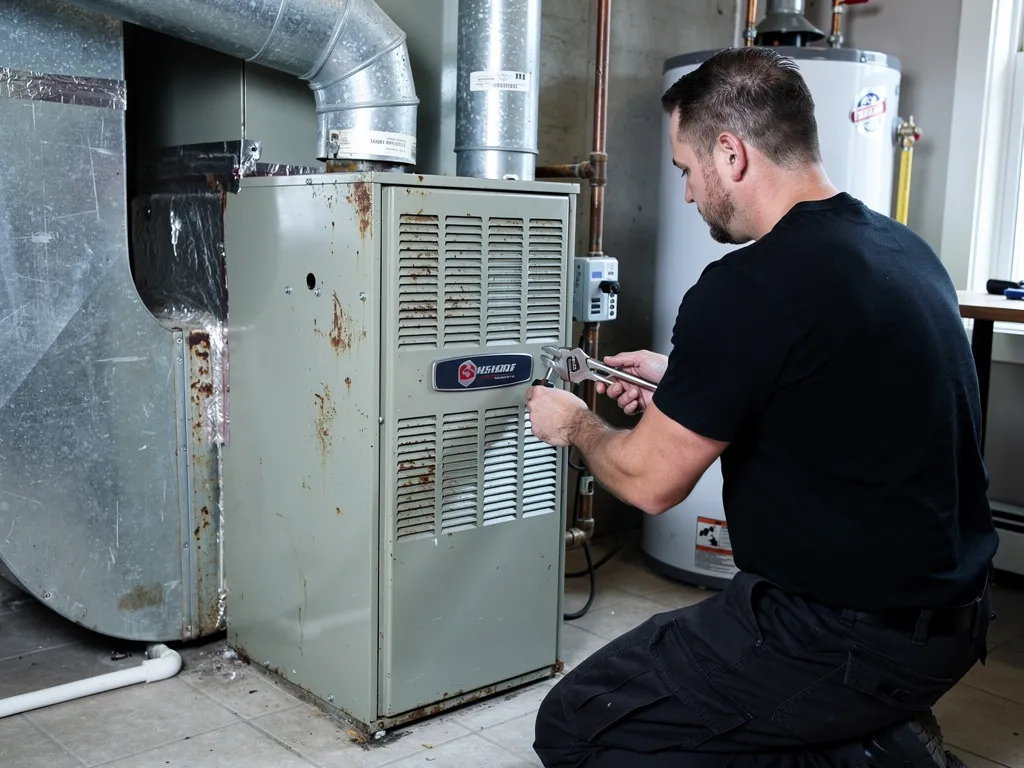
A repair frequency threshold helps homeowners decide between another fix and full replacement. Annual repair costs that approach the price of a new unit signal that replacement makes better financial sense.
When Do Repair Costs Make Replacement the Smarter Choice?
Frequent breakdowns drain budgets faster than most property owners expect. The biggest and most obvious sign a furnace is failing is that repair visits become more frequent and more expensive. Constantly having to repair a furnace serves as the first red flag that the system is dying. Owners who ignore this pattern risk a mid-winter failure when service demand peaks and comfort disappears.
What Does a Professional Furnace Assessment Include?
A thorough diagnostic reveals whether repairs still add value. The company starts with a full system check, explains what technicians find, and recommends the ideal solution. Once a client approves the work, the team completes the repair and verifies system performance. This transparent approach prevents unnecessary spending on equipment that cannot deliver reliable heating.
Repair frequency alone does not dictate the decision. Age compounds the problem. A 15-year-old furnace needing its third repair in two seasons presents a different calculation than a five-year-old unit with a single component failure. Homeowners who track repair dates and costs gain clarity on the trend line guiding that final call.
When Should You Call a Professional for Furnace Repairs?
Homeowners should call a professional the moment a furnace shows signs of malfunctioning. Delaying repairs risks a full system failure during the coldest stretch of a Washington, DC winter.
Jimmy Gusky Heating And Air, LLC brings more than 30 years of experience to every heating repair. The company’s licensed, bonded, and insured crews solve complex comfort issues that DIY fixes often worsen. A furnace that cycles erratically, emits unusual odors, or fails to hold temperature needs trained attention before the damage spreads.
What Happens If Furnace Repairs Are Delayed?
Ignoring early warning signs carries real consequences. A struggling furnace works harder, consumes more energy, and strains components that were never designed for that load. The result is often a mid-winter breakdown that leaves a home without heat when service demand peaks.
The company responds quickly when comfort and safety are on the line. Fast response matters because a failed furnace in freezing temperatures creates urgent risks for pipes, occupants, and property.
How Does the Company Handle Furnace Repairs?
The repair process follows a straightforward path:
- Technicians listen to the homeowner’s description of the problem
- The team explains repair options clearly before any work begins
- Every repair, install, and maintenance visit is backed by the company’s commitment to stand behind the work
Honest recommendations guide each service call. Homeowners receive detailed workmanship and clear communication, not pressure to replace equipment prematurely. That approach protects both the heating system and the household budget.
FAQ
What are the most common signs my furnace is failing?
Unusual noises, rising energy bills, weak airflow, frequent cycling, uneven heating, and yellow burner flames signal a failing furnace.
Why does my furnace blow cold air instead of heat?
Cold air points to a burner not igniting, a tripped safety switch, a failing thermistor, or a clogged filter starving the system of airflow.
What do unusual furnace noises mean?
Banging suggests delayed ignition or expanding ductwork, screeching indicates a failing blower motor bearing, and rattling often means loose panels or internal components.
Conclusion
The decision to act rests with the homeowner. A furnace that rattles, blows weak air, or drives up utility costs demands attention before a mid-winter failure. Scheduling a professional inspection now identifies the root cause and prevents the compounded expense of emergency replacement. Track repair frequency and age to determine when replacement makes better financial sense. Take the warning signs seriously and call a licensed technician for a thorough diagnostic.